
Diabetic Eye Exams in New Castle, IN: What to Expect During Your Retinal Health Check
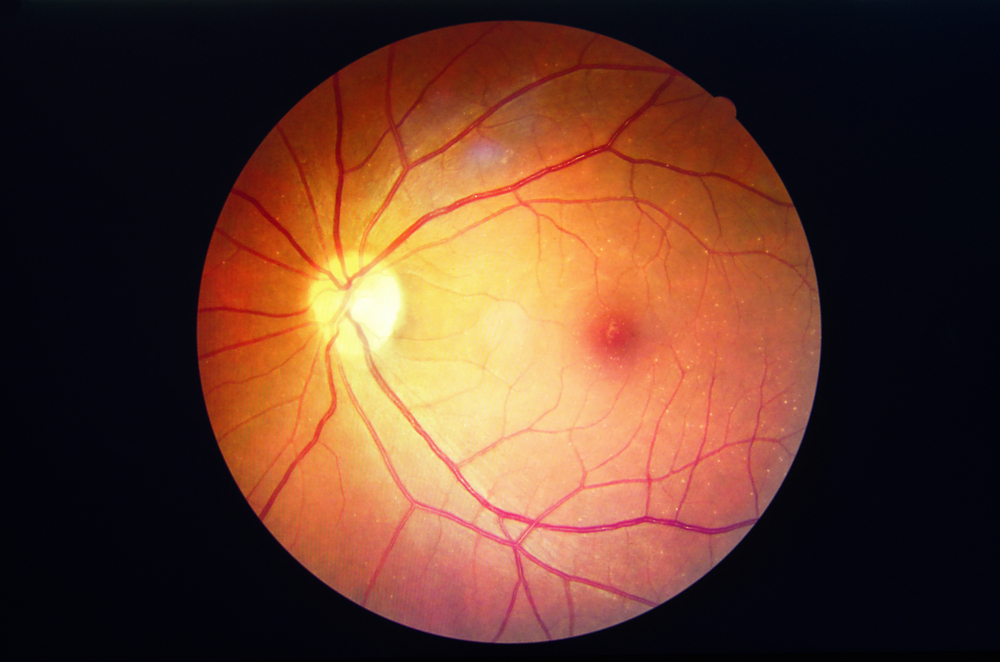
Diabetes can affect many parts of your health, including your eyes. Even when your vision seems clear, changes may be developing in the small blood vessels of the retina without noticeable symptoms. At Lamberson & Malott Eye Center, diabetic eye exams in New Castle, IN help us monitor retinal health, identify concerning changes early, and protect your vision as part of your ongoing diabetes care.
Why Diabetes Can Affect Your Retina
The retina is the light-sensitive tissue at the back of the eye that allows you to see clearly. Over time, elevated blood sugar can damage the tiny blood vessels that supply the retina. This may lead to diabetic retinopathy, a condition that can cause leakage, swelling, abnormal blood vessel growth, and vision loss if it progresses.
Diabetes can also increase the risk of other eye conditions, making routine eye health monitoring especially important. Because early diabetic retinal changes may not cause obvious symptoms, an eye exam can identify problems before you notice a difference in your vision.
What Happens During a Diabetic Eye Exam?
A diabetic eye exam involves more than checking whether your glasses prescription has changed. We evaluate your vision and closely examine the health of the structures inside your eyes.
Depending on your individual needs, your visit may include:
• A review of your medical history, diabetes management, medications, and recent vision changes
• Visual acuity testing to measure how clearly you see
• Evaluation of the front and internal structures of your eyes
• Pupil dilation to give us a clearer view of the retina and optic nerve
• Examination for retinal bleeding, swelling, abnormal blood vessels, or other signs of diabetic eye disease
Your eyes may remain sensitive to light or your near vision may be temporarily blurry after dilation, so bringing sunglasses can make your trip home more comfortable.
What Are We Looking for During Your Retinal Health Check?
During diabetic eye exams in New Castle, we pay careful attention to the retinal blood vessels and surrounding tissue. We look for changes associated with diabetic retinopathy, including small areas of bleeding, fluid leakage, swelling, and changes to the blood vessels.
We also evaluate the macula, the central part of the retina responsible for detailed vision. Diabetes can sometimes cause fluid to collect in this area, which may interfere with reading, driving, and recognizing faces.
How Often Should You Have a Diabetic Eye Exam?
The appropriate exam schedule depends on factors such as the type of diabetes you have, how long you have had it, your blood sugar control, pregnancy status, and whether previous exams have shown retinal changes. We can recommend an eye exam schedule based on your specific needs and coordinate findings with your other healthcare providers when appropriate.
Do not wait for blurry vision, floaters, dark areas, or other noticeable symptoms before scheduling an exam. Regular monitoring gives us a better opportunity to recognize changes early and determine whether additional care or referral is needed.
Schedule your diabetic eye exam with Lamberson & Malott Eye Center to stay proactive about your retinal health and vision. Contact our office in New Castle, IN, by calling (765) 600-1166 to book an appointment today.
Helpful Articles
All Eye Care Services
Find personalized eye care excellence with our comprehensive services. From eye exams to advanced diagnostics, trust us for all your vision needs.

Keep In Touch
For non-urgent questions or to learn more about our services, contact us today!
© 2026 Lamberson & Malott Eye Center. All rights Reserved - Accessibility Statement - Privacy Policy - Sitemap
Managed and Designed by 